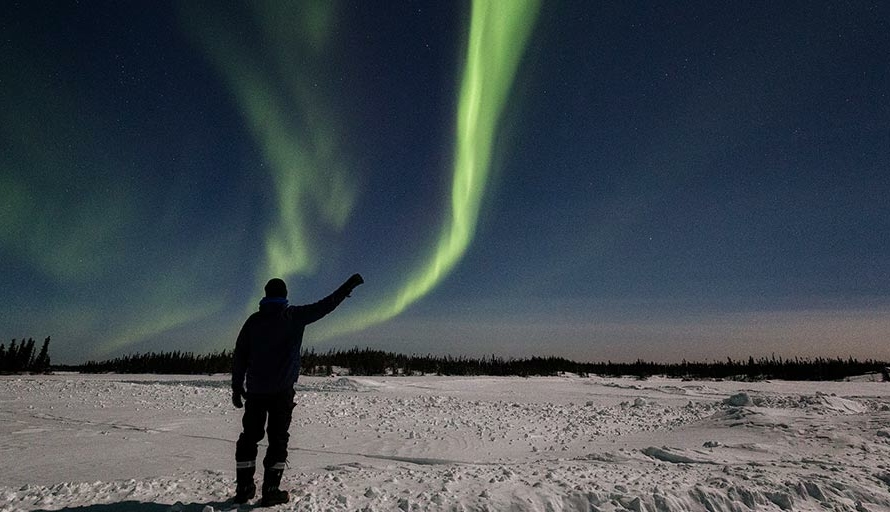
If you’re in your 20s or early 30s and weighing Yellowknife against Toronto, Vancouver, or Calgary, you’re probably trying to answer one question: is the trade-off actually worth it? This guide lays out why a growing share of Gen Z and Millennial renters are choosing Yellowknife over major southern cities — and exactly where that decision falls apart for the wrong person.
You’ll get a real cost and lifestyle comparison, the trade-offs people don’t post about, a self-assessment framework to test your own fit, and a step-by-step timeline for deciding without guessing. No fluff, no sales pitch — just the factors that actually determine whether this move works out.
Quick Summary
- Younger renters are moving north mainly for the income-to-rent math, not just scenery or adventure.
- Remote and hybrid work has made Yellowknife financially viable for people who don’t work in mining or government.
- Housing costs sit well below Toronto and Vancouver, but groceries, flights, and vehicle costs run higher.
- The two most common regrets are winter darkness fatigue and a smaller dating and social pool.
- A five-category scorecard later in this guide helps you evaluate your own fit before committing.
- Lease terms, parking, and pet policy details matter more in Yellowknife than in most southern rental markets.
- A 90-day timeline can take you from research to move-in without rushing the decision.
The Numbers Behind the Shift
Yellowknife’s population sits at just over 20,000 people, which means the entire rental market, job market, and social scene behave differently than they do in a city of several million. That’s a feature for some renters and a dealbreaker for others, which is exactly why this decision needs more than a gut check.
Official demographic and cost-of-living data for the city is tracked by the NWT Bureau of Statistics, which publishes community-level population, income, and price index figures. It’s worth a look before you run your own numbers, since territorial cost-of-living data behaves differently than anything published for Toronto or Vancouver.
Why Younger Renters Are Actually Choosing Yellowknife
Higher Take-Home Pay, Lower Rent Pressure
Northern wage premiums and living allowances, combined with rent that’s a fraction of Toronto or Vancouver averages, mean more renters are keeping a larger share of their paycheque after housing costs. For someone early in their career, that gap compounds fast.
Remote Work Makes the Math Work
A decade ago, moving to Yellowknife meant working for the government or a mine. That’s no longer the only path. Reliable fibre and satellite options have made hybrid and fully remote roles realistic from a northern address — worth reading in more detail in our guide to remote work connectivity in Yellowknife if a remote job is part of your plan.
Outdoor Access Without a Suburb Commute
Great Slave Lake, the Ingraham Trail, and genuine wilderness sit minutes from most rental buildings, not an hour-long drive through suburbs. For renters who value time outdoors over time in traffic, that’s a daily difference, not an occasional weekend one. More on what’s driving this shift is covered in a separate piece on the appeal of northern living.
A Smaller, Faster-Moving Community
Fewer people means less bureaucracy, faster networking, and a social scene where showing up consistently actually gets noticed. Renters who felt anonymous in a city of millions often describe the opposite experience here within a few months.
Pet Ownership Without the Restrictions
Pet-friendly policies are more common in newer Yellowknife rental buildings than in many competitive southern markets, where pet deposits and breed restrictions can eliminate options fast. This breakdown of pet-friendly renting in Yellowknife covers what to check before signing.
The Honest Trade-Offs
None of the above matters if the trade-offs below are dealbreakers for you.
- Groceries and goods cost more. Freight costs get passed to consumers, and it shows up most in produce, specialty items, and anything shipped rather than trucked.
- Flights to see family aren’t cheap or frequent. Most routes connect through Edmonton or Calgary, and last-minute fares can be steep.
- The dating and social pool is smaller. A population of 20,000 means fewer options than a city of millions, and that’s most noticeable for renters used to app-based dating in a big market.
- Winter darkness has a real mental load. December daylight runs roughly five to six hours, and it takes most newcomers at least one full winter to build a routine around it.
- Career paths are narrower outside a few sectors. Government, mining, tourism, and remote-capable roles dominate; niche industries may have limited local options.
Cost and Lifestyle Snapshot
| Factor | Yellowknife | Toronto / Vancouver | Calgary |
| Typical rent for new-build rentals | Starting around $2,350/month | Among the highest average rents in Canada | Generally lower than Toronto/Vancouver, closer to Yellowknife’s range |
| Commute from most rentals to downtown | Often a short drive or walk | Frequently 45+ minutes each way | Moderate, largely car-dependent |
| Daylight in December | Roughly 5–6 hours | Roughly 9 hours | Roughly 8–9 hours |
| Daylight in June | Near-continuous daylight | Roughly 15–16 hours | Roughly 16 hours |
| Population size | Around 20,000 | Millions | Over 1 million |
Ready to see what’s actually available? View current listings at The View, one of Yellowknife’s newer rental buildings, to compare real unit pricing against the estimates above.
An Original Framework for Testing Your Own Fit
Renters weighing this decision often find it useful to score themselves across five categories before committing to anything. This isn’t a formal test — it’s a structured way to catch the blind spots that Instagram posts and recruiter pitches tend to skip.
The Northern Fit Scorecard — score yourself 1 (low) to 5 (high) on each:
- Income sensitivity — How much does a lower cost-of-rent-to-income ratio actually change your financial stress level?
- Winter tolerance — Have you gone through a full Canadian winter before, and did it wear on you or barely register?
- Social circle needs — Do you need a large, varied social pool, or are a handful of close relationships enough?
- Career flexibility — Is your income remote-capable, or does it depend on being physically present in a specific industry hub?
- Distance from family — How often do you realistically need to see family in person, and can your budget support that?
A combined score of 20+ generally signals a strong fit. A score under 12 is worth sitting with for longer before signing a lease — the trade-offs above tend to hit harder than expected for renters in that range.
A 90-Day Decision Timeline
Use this as a rough checklist, not a rigid deadline — but rushing past these steps is where most regret starts.
- Days 1–14: Run the real numbers. Compare your current rent-to-income ratio against Yellowknife estimates, and check whether your employer supports remote work from the Northwest Territories.
- Days 15–30: Stress-test your budget. Add 15–20% to your current grocery and travel spending to approximate northern pricing, and see if the math still works.
- Days 31–45: Talk to your employer or start a job search. Confirm remote-work eligibility in writing, or begin applying to Yellowknife-based roles if relocating for work.
- Days 46–60: Tour and apply. Contact a leasing team to check unit availability, lease terms, and pet or parking policies before you commit to a date.
- Days 61–75: Plan logistics. If you’re moving from Alberta or further south, this shipping and logistics guide covers realistic freight timelines and costs.
- Days 76–90: Finalize the lease and moving date. Aim to avoid moving during the darkest weeks of December if you have a choice — a fall or early-summer move gives you more daylight to adjust.
Local Considerations for Renters
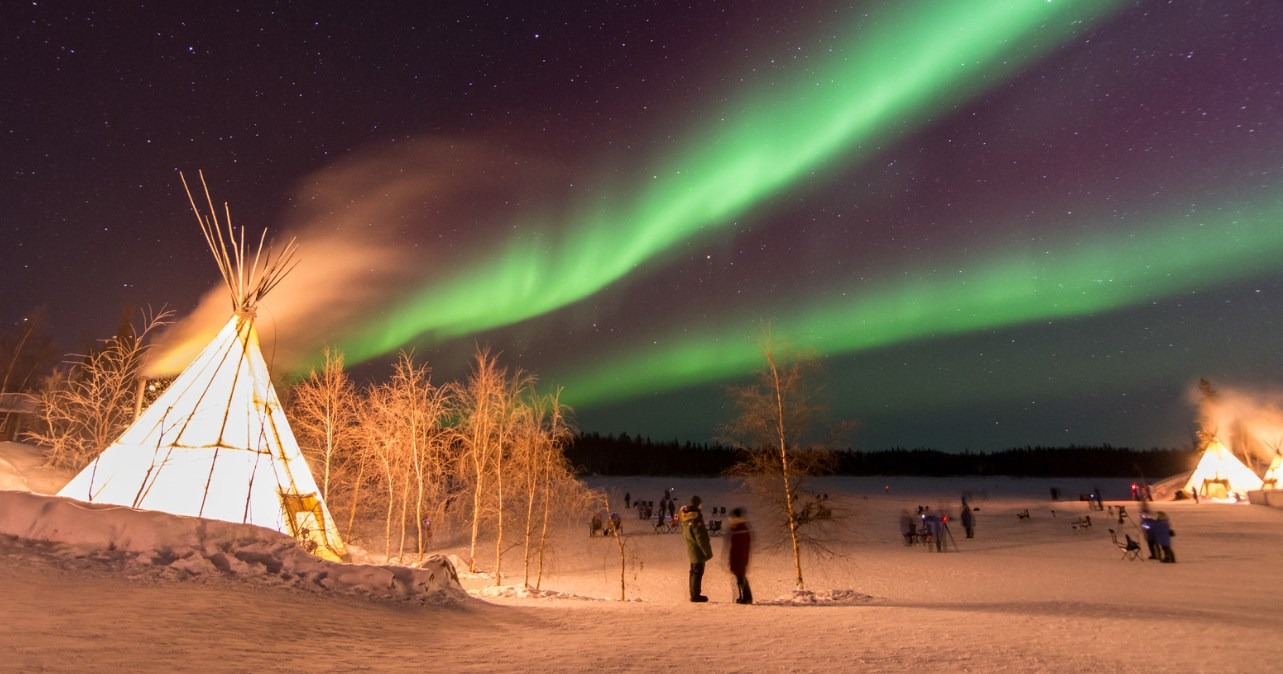
A few Yellowknife-specific logistics catch newer renters off guard:
- Lease terms are commonly one year minimum, which is longer than many southern month-to-month or short-term options.
- Application processing can take longer than in a large city simply because leasing offices handle a smaller volume, so build in a buffer before your intended move date.
- Parking matters more here than in most cities — confirm whether a stall (ideally with a block-heater outlet) is included before signing, since winter parking without one is a real problem, not a minor inconvenience.
- Unit availability is seasonal. Turnover tends to cluster around spring and late summer; winter vacancies exist but are less common.
- Furnished appliances vary by building. Some newer buildings include laundry, fridge, and microwave; older stock may not, which changes your moving budget.
Common Mistakes Younger Renters Make
- Assuming a remote salary automatically offsets northern living costs without actually running the numbers first.
- Signing a lease without confirming pet policy, parking, and included appliances in writing.
- Underestimating shipping timelines and paying rush freight fees as a result.
- Moving during the darkest weeks of winter without any plan for the adjustment period.
- Treating the decision as permanent instead of a one-year lease commitment that can be reassessed.
What To Do If Something Goes Wrong
If the move isn’t working out, don’t wait until the lease is nearly up to address it.
- If the cost math isn’t working: Revisit your budget immediately rather than absorbing the gap on credit. Grocery and travel costs are usually the first line items to adjust.
- If winter darkness is hitting harder than expected: This is common enough that it has a name — seasonal adjustment — and talking to a doctor about light therapy or routine changes early in the season helps more than waiting it out.
- If you need to break or not renew a lease: Talk to your leasing office as early as possible. Most landlords would rather work out a transition plan than have a unit sit empty on short notice.
- If the social or dating pool genuinely isn’t enough: Give it a full season before deciding — community groups, sports leagues, and newcomer meetups tend to open up gradually, not immediately.
Considering a move but still working through the numbers? Reach out to the leasing team with specific questions about current availability, lease terms, and move-in timing before you commit to anything.
FAQ
Is Yellowknife actually cheaper to live in than Toronto or Vancouver?
Rent is generally lower than Toronto or Vancouver averages, but groceries, flights, and some consumer goods cost more due to freight. The overall math depends heavily on your income and how much of your spending goes toward rent versus goods.
Can I really work a remote job from Yellowknife?
Many renters do, provided their employer allows out-of-province or out-of-territory remote work and the building has reliable internet. It’s worth confirming both in writing before committing to a move.
How long is a typical lease in Yellowknife?
One-year minimum leases are common in newer rental buildings, which is longer than many short-term options available in larger southern cities. Always confirm exact terms directly with the leasing office.
What’s the biggest adjustment for someone moving from a major southern city?
Winter daylight is usually the biggest adjustment, with December offering roughly five to six hours of daylight. Most newcomers say it takes a full winter season to build a routine that works.
Are Yellowknife rentals pet-friendly?
Many newer buildings do allow pets, though policies vary by property and can include deposits or restrictions. Confirm the specific pet policy before signing a lease.
Is the dating and social scene really that much smaller?
Yes, proportionally — a population of around 20,000 means fewer options than a city of millions. Many renters find the trade-off is a tighter, more consistent social circle rather than a larger but more anonymous one.
What should I budget extra for compared to a southern city?
Groceries, flights home, and vehicle-related winter costs typically run higher than in Toronto, Vancouver, or Calgary. Building a 15–20% buffer into those categories during your budgeting phase avoids most surprises.
Conclusion
The shift toward Yellowknife among Gen Z and Millennial renters isn’t about chasing aurora photos — it’s a financial and lifestyle calculation that works for some people and doesn’t for others. The income-to-rent math, remote work flexibility, and outdoor access are real advantages. The winter darkness, smaller social pool, and higher goods costs are real costs. Running your own numbers, using the scorecard above, and giving yourself a proper 90-day runway is the difference between a move that sticks and one you regret by February.
If the numbers are working in your favour, the next step is simple: check current availability, confirm lease terms, and ask the questions that matter to you directly. Get in touch with the Rent in Yellowknife leasing team to talk through pricing, pet policy, and move-in timing before you commit to anything. A short conversation now can save a lot of second-guessing later.