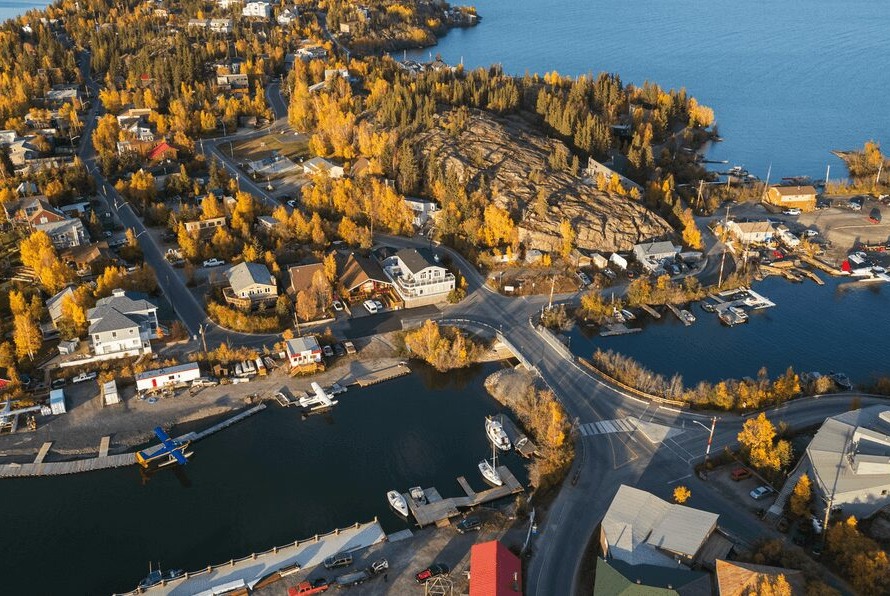
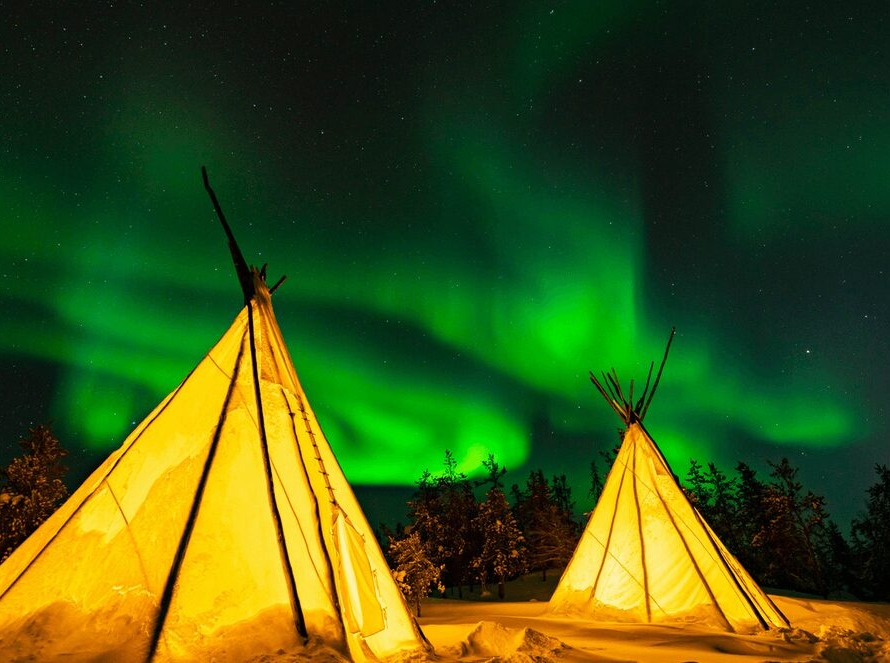
Finding the perfect home is a significant challenge for anyone, but when your family includes a cherished pet, the search for quality rental housing can become exponentially more complicated. This is especially true when relocating to a unique and distinct environment like Yellowknife, the vibrant capital of the Northwest Territories.
Moving North offers incredible opportunities for professionals and a lifestyle rich with natural beauty, but it also introduces specific challenges, particularly concerning climate and housing stock. For pet owners, the priority is clear: securing a modern, safe, and comfortable home where their animal companion is not just tolerated, but genuinely welcomed.
A successful life with a pet in a Yellowknife rental requires more than just finding a building with a “pets allowed” sign. It demands a thorough understanding of NWT tenancy law, an appreciation for the unique demands of the Northern climate, and a strategic approach to apartment living that maximizes safety, comfort, and local resources. This definitive guide serves as your comprehensive resource for ensuring both you and your furry, feathered, or scaled friend thrive in the Land of the Midnight Sun.
The Legal Landscape: Navigating NWT Rental Laws and Pets
Before you even begin packing, understanding the legal framework governing tenancy and pets in the Northwest Territories is paramount. Unlike some jurisdictions that completely ban landlords from prohibiting pets, the NWT’s Residential Tenancies Act (RTA) provides a clear set of rules that define the rights and responsibilities of both the tenant and the landlord.
Understanding the Pet Clause and Lease Agreement
In the NWT, landlords have the authority to stipulate terms regarding pets within the lease agreement. This agreement is the foundational document of your tenancy, and any clause relating to animals should be reviewed with the utmost attention.
Key Legal Considerations for NWT Renters with Pets:
- Landlord Approval is Essential: A landlord is generally within their rights to deny a tenancy application based on an animal—especially if the unit or building is not designated as pet-friendly, or if the pet is deemed unsuitable (e.g., prohibited species, extreme size/weight limits). Always secure written permission for your pet before moving in.
- Defining the Pet: Your lease should clearly specify the type, breed, size, and number of pets permitted. If you acquire a new pet during your tenancy, you must seek and obtain the landlord’s written approval before bringing the animal onto the property.
- Damage and Liability: While tenants are responsible for damage caused by their pets, this is standard under the RTA, which requires tenants to keep their unit in a clean and undamaged state. In the context of a pet-friendly rental, this means repairing scratches, odours, or other alterations caused by your companion.
The Role of the Security Deposit
One of the most common points of confusion for pet owners is the nature of a security deposit versus a pet deposit. In the Northwest Territories:
- Security Deposit: The RTA limits the security deposit that a landlord can charge to no more than one month’s rent. This deposit serves to cover damages, unpaid rent, and the cost of cleaning the premises beyond ordinary wear and tear.
- Pet Fees: Crucially, a landlord in the NWT cannot legally charge an additional, non-refundable “pet fee” or a separate “pet deposit” beyond the one-month security deposit limit set by the Act.
This means that any pet-related damage must be covered by the singular security deposit. This provides both clarity for the tenant and assurance that the security deposit is solely dedicated to legitimate damage claims, not arbitrary fees. Being aware of this legal limit empowers renters to ensure they are being charged fairly under NWT legislation.
Choosing the Right Yellowknife Rental for Your Animal
The quality of your Yellowknife apartment will directly impact the comfort, safety, and health of your pet, especially during the extreme winter months. Older housing stock in the North often presents challenges like poor insulation, drafty windows, and shared utility systems. When seeking a rental, look for properties that have incorporated modern design and durability into their structure.
1. Durability and Cleanliness: Flooring and Finishes
For pet owners, the type of flooring is the single most important interior feature.
- Hard-Surface Flooring: Prioritize units featuring luxury vinyl tile (LVT), laminate, or other durable hard surfaces throughout the main living areas. These materials are essential for Northern living because they:
- Resist scratches from claws far better than softer hardwoods.
- Do not absorb odours or stain permanently from accidents.
- Simplify the cleanup of muddy paws or melting snow tracked in from outside.
- Avoid Excessive Carpeting: While bedrooms may feature carpet, extensive wall-to-wall carpeting in high-traffic areas should be avoided, as it traps moisture, smells, and is difficult to deep-clean, which is a common source of security deposit deductions.
2. Convenience for Northern Living
The severe climate of Yellowknife makes certain unit amenities transition from “luxury” to “necessity” for pet owners.
- In-Suite Laundry: This feature is invaluable. It allows immediate washing of pet towels, soiled bedding, and winter gear used after a snowy walk, preventing tracking dirt and moisture through the rest of the building or your unit.
- Optimal Temperature Control and Insulation: Modern, energy-efficient buildings are crucial. A well-insulated unit ensures that temperatures remain stable, protecting sensitive pets from drafts and maintaining comfort when outdoor temperatures plummet below -30°C.
- Secure and Accessible Parking: For dog owners, the ability to quickly and safely get a pet from the car to the apartment is vital during blizzards or intense cold snaps. Dedicated, preferably heated, parking minimizes exposure time and provides peace of mind.
3. Understanding the Building Community
A pet-friendly building often signals a culture of responsibility and mutual respect among tenants. Look for properties that have clear, well-enforced pet policies regarding noise, leash use in common areas, and designated pet relief zones. A supportive community environment makes life easier for everyone.
Extreme Cold Pet Safety: A Yellowknife Winter Survival Guide
Yellowknife’s winter is magnificent but unforgiving. The success of raising a pet here hinges on proper preparation for the extreme, sustained cold. Never underestimate the speed at which frostbite or hypothermia can occur.
Preparing Your Dog for the Harsh Environment
Dogs, especially short-haired breeds, require significant protection to safely enjoy the outdoors in a Yellowknife winter.
- Invest in High-Quality Gear: This is a non-negotiable expense in the North.
- Insulated Parkas/Jackets: Choose waterproof and windproof materials that cover the dog’s core and belly. Layers are as important for dogs as they are for humans.
- Dog Booties: Paw protection is critical. Ice balls, sharp ice shards, and chemically treated walkways can damage paws. Train your dog to wear booties well before the first severe snowfall. Ensure they are secured properly to prevent them from slipping off in deep snow.
- Limit Exposure and Time Outside:
- Temperature Thresholds: As a general rule, limit walks to less than 15 minutes when temperatures drop below -20°C. At -30°C and colder, outdoor time should be restricted to brief bathroom breaks only.
- Check Pads and Ears: Always check your dog’s paws immediately after coming inside for signs of ice buildup, redness, or cracking. The tips of the ears are also highly susceptible to frostbite.
- Preventing Antifreeze and Ice Melt Poisoning:
- Antifreeze has a sweet taste that attracts animals but is lethal even in small amounts. Be vigilant about spills in parking areas.
- While many landlords use pet-safe ice melts, some chemicals can irritate and burn a dog’s pads. Always wipe down your dog’s paws with a damp cloth or rinse them after a walk.
Indoor Safety and Wellness for All Pets
Even animals that never leave the apartment require special attention during the dark, cold months.
- Maintaining Humidity Levels: The forced-air heating common in the NWT can cause extremely dry indoor air. Dry air can irritate a pet’s respiratory system and skin, leading to scratching and discomfort. Using a humidifier can help maintain a healthier environment for both you and your pet.
- Sunlight Simulation: Just like humans, pets can suffer from the lack of sunlight during the mid-winter months. Placing pet beds near sun-facing windows (when available) or considering a safe, animal-specific light therapy lamp can help regulate their mood and internal clock.
- Draft Monitoring: Even in modern apartments, check window sills, door frames, and external wall outlets for drafts. A cold draft over a sleeping pet can cause discomfort and make them restless.
Yellowknife Pet Resources and Recreation
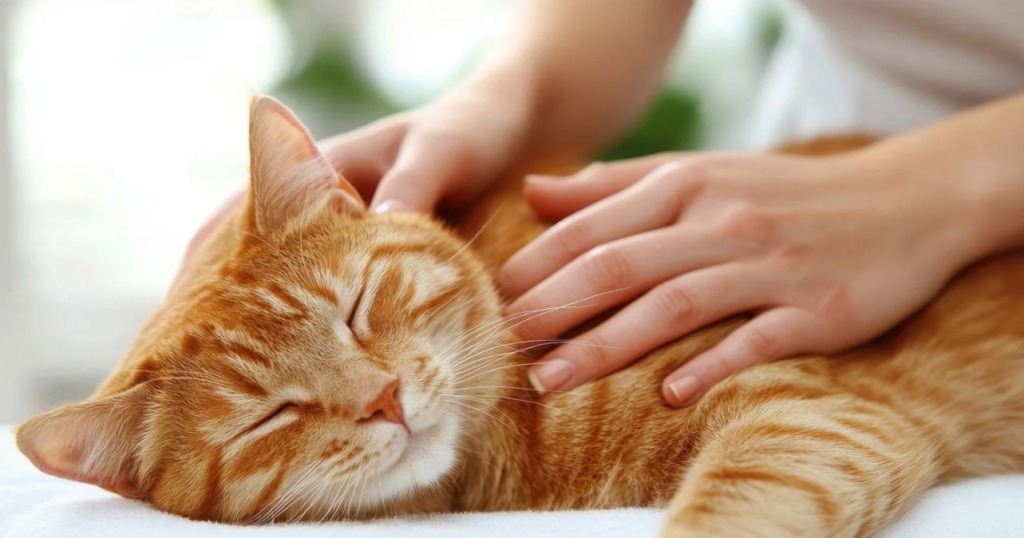
A happy pet life involves more than just a comfortable apartment; it requires access to necessary services and opportunities for safe, stimulating exercise. Fortunately, Yellowknife is a compact city with accessible resources and boundless natural scenery.
Essential Services: Vets, Supplies, and Grooming
Knowing where to turn for care and supplies is crucial for a smooth transition.
- Veterinary Care: Yellowknife has professional, full-service veterinary clinics capable of handling routine care, emergencies, and cold-weather injuries. Familiarize yourself with their locations, emergency contact numbers, and hours immediately upon arrival.
- Pet Supply Stores: Local retailers in Yellowknife stock a wide range of specialized Northern gear, including the heavy-duty parkas and durable booties needed for NWT conditions. Supporting these local businesses often means getting advice from experts who understand the unique demands of the climate.
- Grooming: Regular grooming is important year-round. In winter, ensuring coats are trimmed around the paws helps prevent ice balls from forming, which can be painful and lead to limping or injury.
Recreation: Exercising Safely in the North
Yellowknife is built around nature, providing excellent opportunities for pet exercise—but caution is required.
Tips for Northern Outdoor Time:
- The Frame Lake Trail System: This popular, well-maintained trail system circles Frame Lake and is easily accessible from many parts of the city. It offers a great option for on-leash walking, providing scenery and exercise without requiring a long drive. Always obey local leash laws and clean up after your pet.
- Designated Off-Leash Areas: While Yellowknife doesn’t have the expansive, fenced dog parks found in larger southern cities, there are specific areas where dogs can be safely exercised off-leash. It is essential to confirm the current municipal bylaws regarding off-leash zones and respect any rules posted in these areas.
- Wildlife Awareness: Yellowknife is a Northern city, meaning encounters with wildlife, including foxes and even the occasional wolf or bear (especially in the shoulder seasons or farther out on the trails), are possible. Always keep your dog leashed and close by, and be acutely aware of your surroundings, carrying appropriate deterrents if venturing into remote areas.
- Ice Safety: Never allow your pet onto frozen lakes or bodies of water during the fall or spring thaw. Ice thickness can be deceptive and highly variable, leading to extremely dangerous situations. Even during mid-winter, only use marked, municipal ice roads or known, established ice surfaces.
Conclusion
Living in Yellowknife with a pet is an incredibly rewarding experience that merges the unique beauty of the North with the comforts of home. The key to a successful northern pet tenancy lies in a proactive approach: understanding your rights and responsibilities under NWT law, strategically choosing a modern rental unit that protects your pet from the elements, and diligently preparing for the challenges and joys of the extended winter. By committing to these steps—from investing in the right winter gear to knowing your local vet’s number—you ensure that your animal companion is not just existing in the North, but truly thriving alongside you.
At Rent in Yellowknife, we understand that securing a quality, pet-friendly apartment is the cornerstone of a successful relocation. Our brand-new luxury rental communities in Yellowknife are designed with durable finishes, modern amenities, and welcoming pet policies to ensure you and your companion are comfortable from day one. Explore our available units and start your hassle-free northern journey in a home where all family members are welcome. Contact us and let us help you find your perfect home in Yellowknife.