Quick Summary: Living the Northern Lifestyle
- Seasonal Diversity: Activities shift from ice-road driving in January to 24-hour sunlight hiking in June.
- The Ingraham Trail: This 70km highway is the primary artery for most local day trips and lake access.
- Safety First: Northern travel requires specific gear, including satellite communicators and cold-weather kits.
- Local Culture: Community events like the Snowking Festival are essential cultural touchpoints.
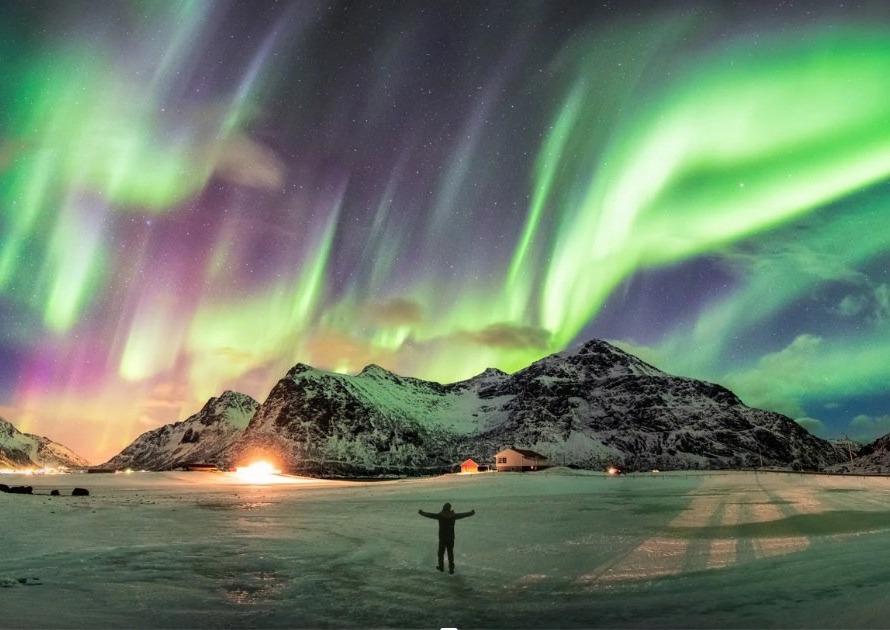
- Aurora Viewing: While visible for much of the year, March offers the best balance of clear skies and manageable temperatures.
- Wildlife Protocols: Understanding how to share the land with bears, bison, and wolves is a non-negotiable skill.
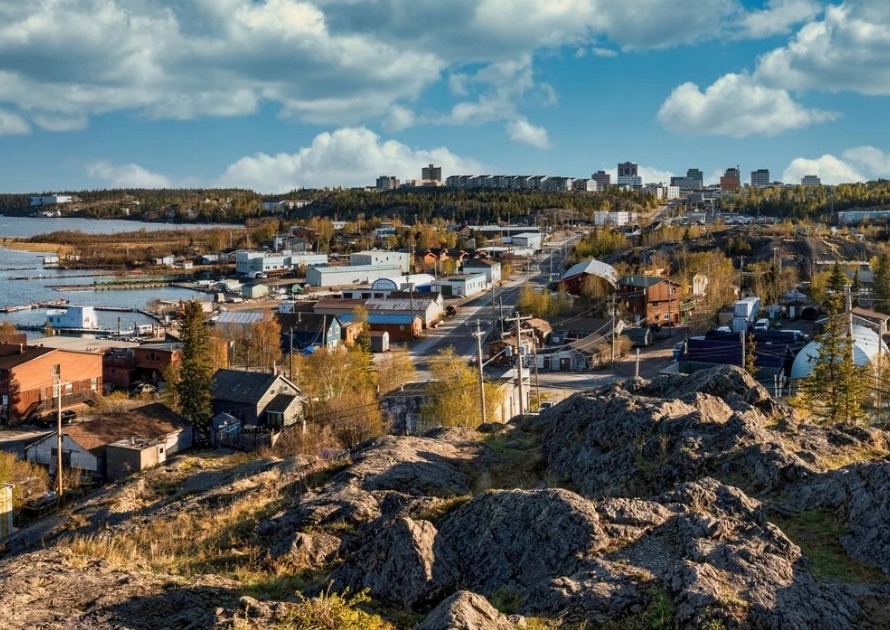
Finding the perfect balance between urban convenience and the rugged wilderness of the Northwest Territories is the primary goal for most residents in the North. Whether you have recently moved into a new rental or are scouting the city for your next home, knowing how to navigate the land across all four seasons is essential for a high quality of life. This guide provides a comprehensive 12-month roadmap of day trips from Yellowknife, focusing on practical logistics, seasonal safety, and the best outdoor recreation the NWT has to offer. By following this seasonal circuit, you will maximize your time in the subarctic and transition from a newcomer to a true Northerner.
The Yellowknife Seasonal Adventure Framework
Navigating the North requires more than just a map; it requires a mindset geared toward the unique environmental shifts of the NWT. To help our residents plan, we use the Yellowknife Seasonal Adventure Framework to categorize day trips based on accessibility and light levels.
| Season | Light Conditions | Primary Terrain | Recommended Equipment |
| Deep Freeze (Dec–Feb) | 4–6 Hours | Ice Roads / Packed Snow | Heavy parkas, emergency beacons |
| The Awakening (Mar–May) | 12–16 Hours | Hard-packed Crust / Melting Ice | Polarized sunglasses, layered shells |
| Midnight Sun (Jun–Aug) | 20–24 Hours | Shield Rock / Open Water | Bug jackets, hydration packs |
| The Glow (Sep–Nov) | 8–12 Hours | Tundra / Early Ice | Waterproof boots, headlamps |
Winter Day Trips: January to March
January: The Dettah Ice Road
When the ice reaches sufficient thickness, the Government of the NWT opens the ice road connecting Yellowknife to the community of Dettah. This 6-kilometre drive over the frozen Great Slave Lake offers a unique perspective of the city skyline. It is a staple for those looking for a quick afternoon excursion. Always check the Official NWT Highway Report for weight limits and opening dates before heading out.
February: The Snowking Winter Festival
Located on Yellowknife Bay, Snowking’s Castle is a feat of winter engineering. A trip to the castle is the definitive February day trip. The structure is built entirely from snow and ice carved directly from the lake. For residents living in The View – Luxury apartments in Yellowknife, the castle is often visible from upper floors, making it a convenient local adventure.
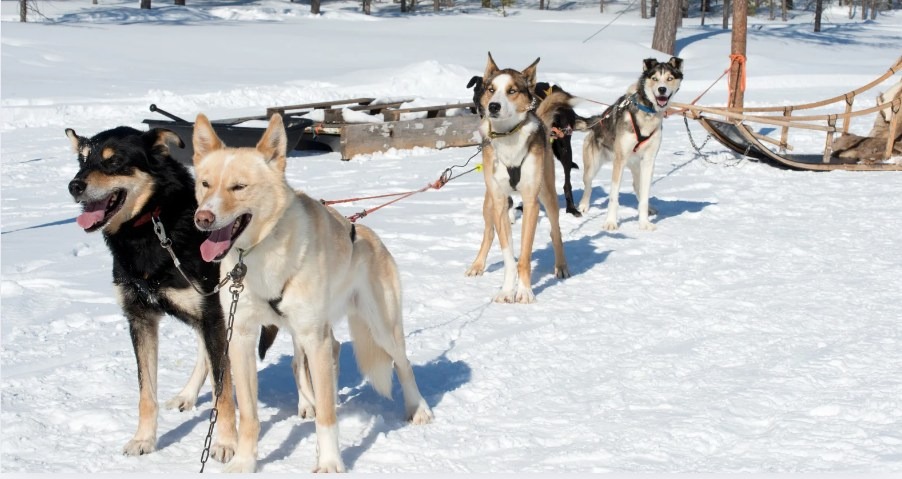
March: Dog Sledding and Aurora Viewing
March is arguably the best month for winter outdoor recreation. The days are longer, and the temperatures are often a “warm” -20°C. Many residents head to the outskirts of the city to witness the Aurora Borealis. March offers clear skies, which are vital for high-quality sightings. If you are looking for a place to store your own winter gear between trips, consider our managed properties like Nova Pine Hills residential units.
Spring Transitions: April and May
April: Snowmobiling the Backcountry
As the snow firms up, the vast network of trails surrounding the city becomes accessible. April is the peak time for snowmobiling. Popular routes lead toward the Cameron River or out onto the North Arm of Great Slave Lake. The “crust” on the snow allows for easy travel off-trail, making this the best time for remote lake fishing trips.
May: Cameron Falls (The Spring Break-up)
Located about 45 minutes down the Ingraham Trail, Hidden Lake Territorial Park is home to Cameron Falls. In May, the ice begins to break, and the roar of the water is at its most powerful. The hike is roughly 2km each way and is a mandatory trip for anyone seeking Yellowknife hiking trails. Note that the trail can be slippery during this period; ice cleats are highly recommended.
Pro-Tip: Before heading out on a spring hike, ensure your vehicle is cleared of any winter debris. Our team at Rent in Yellowknife maintains clear parking areas, but spring melt can be messy—always have a pair of “muck boots” in your trunk.
Summer of the Midnight Sun: June to August
June: 24-Hour Daylight at Prelude Lake
June 21st marks the Summer Solstice. Prelude Lake Territorial Park is the largest park on the Ingraham Trail and offers exceptional boating and hiking. With the sun barely dipping below the horizon, day trips can easily extend into “night” trips without the need for flashlights. The Prelude Lake Nature Trail is a 90-minute loop that showcases the diverse flora of the subarctic.
July: Folk on the Rocks and Long Lake
While many festivals are in town, July is the best time to utilize the beach at Long Lake. It is one of the few spots with sandy access for swimming. The water is surprisingly refreshing during the 25°C heatwaves common in July. If you are currently browsing available rental listings in Yellowknife, being near the city’s trail systems allows for quick access to these summer hubs.
August: Berry Picking on the Ingraham Trail
Late August brings the harvest of cranberries and crowberries. The rocky outcrops along the Ingraham Trail are prime locations for foraging. This is a traditional Northern activity that requires patience and a good eye for the tundra floor. Be sure to carry a “bear bell” as the local black bear population is also out looking for the same berries.
Autumn and Early Winter: September to December
September: Tundra Colours at Hidden Lake
The fall season in the NWT is short but visually stunning. The moss and lichen on the Canadian Shield turn brilliant shades of red and orange. This is the best time for photography-focused day trips from Yellowknife. The crisp air also means the mosquitoes have finally vanished, making long-distance hiking much more comfortable.
October: Cultural Immersion at the Prince of Wales Heritage Centre
As the weather turns chilly and the ground becomes “greasy” with early frost, indoor day trips are preferred. The Prince of Wales Northern Heritage Centre offers deep dives into the history of the Dene, Métis, and Inuit peoples, as well as the mining history of the region. It is a vital stop for understanding the land you now call home.
November: Old Town Glassworks
When the lakes are freezing but not yet safe to walk on (the “shoulder season”), head to Old Town. A workshop at Old Town Glassworks allows you to create recycled glassware art—a perfect indoor escape during the darkening days. Old Town itself is a “trip” within the city, featuring houseboats and winding roads that defy a standard grid.
December: Winter Solstice and Community Lights
December is about embracing the dark. A drive through the various neighbourhoods to see the festive displays, followed by a trip to the City of Yellowknife Recreation facilities, helps maintain activity levels during the shortest days of the year. The community spirit during the solstice is a hallmark of Northern living.
Northern Logistic Constraints and Considerations
Operating a vehicle and exploring the NWT involves specific logistical challenges that differ from those in Southern Canada.
Vehicle Maintenance and Plugging
From November to March, you must plug in your block heater if parked for more than two hours. Failure to do so may result in a non-starting vehicle and an expensive towing fee. In extreme cold (-40°C), synthetic oils and battery blankets are not just recommendations; they are requirements for reliable transportation.
Wildlife and Communication
- Wildlife Awareness: Black bears are common on the Ingraham Trail in summer, and wolves can be spotted on ice roads in winter. Bison are frequently seen on Highway 3 and can be unpredictable; never approach them on foot.
- Communication Gaps: Once you are 10 minutes outside of Yellowknife on the Ingraham Trail, cell service is non-existent. There is no “5G” in the bush.
- Fuel Management: There are no gas stations on the Ingraham Trail. You must fill your tank in the city before departing, even if you only plan on a short trip.
Common Mistakes to Avoid
- Underestimating the Cold: “Dry cold” is still dangerous. Exposed skin can freeze in minutes at -35°C. Always dress in layers—moisture-wicking base layers are essential.
- Driving on Unofficial Ice: Never drive on a lake unless the government has officially marked it as an open ice road. Small cracks or “overflow” (water on top of ice) can be deceptive.
- Littering on the Tundra: The Northern ecosystem is fragile and recovers slowly. Pack out everything you pack in, including organic waste like orange peels, which can take years to decompose here.
- Inadequate Footwear: Wearing “fashion boots” on a hike to Cameron Falls often leads to twisted ankles on the uneven Shield rock. Invest in high-ankle support hiking boots.
What To Do If Something Goes Wrong
If your vehicle breaks down on the Ingraham Trail or an ice road:
- Stay with your vehicle. It is your primary shelter and much easier for rescuers to find than a person walking.
- Use your emergency kit. You should have candles, matches, a sleeping bag, and high-calorie snacks. A single candle can significantly raise the temperature inside a car.
- Signal for help. Use a satellite communicator (like a Garmin inReach) if you have one. Otherwise, wait for the next passing vehicle—the Northern community is diligent about stopping for stopped cars.
- Keep movement to a minimum. Conserve your body heat and energy. Do not break a sweat, as damp clothes will lead to rapid heat loss.
Step-by-Step Checklist: Preparing for a Day Trip
Follow this sequence before leaving your rental property for any excursion:
- [ ] Check the Weather: Look for wind chill warnings or blizzard conditions.
- [ ] Notify a “Home Contact”: Tell someone where you are going and when you expect to be back.
- [ ] Verify Fuel Levels: Ensure your tank is full, and your block heater cord is in the car.
- [ ] Pack the “Big Five”: Satellite communicator, extra warm layers, first aid kit, water, and a flashlight/headlamp.
- [ ] Confirm Destination Status: Check if the territorial park or ice road is officially open for the season.
- [ ] Load Offline Maps: Download the region on Google Maps since cell service will fail.
The Rent in Yellowknife Advantage
Managing properties in the subarctic requires a deep understanding of local infrastructure. We provide premier property management in the North by ensuring our buildings are optimized for the climate. From high-efficiency heating systems to responsive snow removal, our goal is to provide a worry-free home. This allows our tenants to focus on the adventures listed above rather than worrying about furnace failures or frozen pipes during a cold snap.
Frequently Asked Questions (FAQ)
What is the best time of year to see the Northern Lights? The best viewing occurs from late August to early April when the skies are dark. March is often preferred by locals due to clearer weather and milder temperatures compared to January.
Do I need a 4WD vehicle for day trips from Yellowknife? While not strictly necessary for city driving, a 4WD or AWD vehicle with high-quality winter tires is highly recommended for the Ingraham Trail and ice roads during the winter months.
Are the hiking trails around Yellowknife safe for dogs? Yes, most trails are dog-friendly, but pets must be kept on a leash. This is for their safety, as local wildlife like coyotes and bears can be defensive or predatory.
How long does it take to drive the entire Ingraham Trail? The trail is approximately 70km long. Without stopping, it takes about an hour to drive one way, but you should budget at least 3-4 hours to enjoy the various lookouts and lakes.
Is there an entrance fee for Territorial Parks in the NWT? Most day-use areas in NWT Territorial Parks do not charge an entrance fee for hikers and picnickers, though overnight camping does require a paid permit and reservation.
Can I drive to Yellowknife from Southern Canada? Yes, Yellowknife is accessible via Highway 3 (the Frontier Trail). It is a paved all-weather road, though it is remote with limited fuel stops between Fort Providence and Yellowknife.
Are there bugs on the hiking trails in the summer? Yes, mosquitoes and black flies are prevalent from June through August. It is highly recommended to wear bug spray or a bug jacket when heading out on day trips.
Conclusion
Living in Yellowknife is an experience unlike any other in Canada. The ability to transition from a professional office environment to the rugged solitude of the Canadian Shield in under twenty minutes is a privilege unique to residents of the NWT. By understanding the seasonal cycles outlined in our Yellowknife Seasonal Adventure Framework, you can transform the challenges of subarctic living into a series of rewarding milestones. Whether it is the quiet thrill of driving across the Dettah ice road in the heart of winter or the vibrant energy of a midnight sun hike at Prelude Lake, each month offers a new way to connect with the land.
True Northern living is about more than just enduring the elements; it is about active participation in the environment. For our residents at Rent in Yellowknife, this participation is made easier by having a reliable, warm, and professionally managed home to return to after every excursion. As you check off each month of this day trip guide, you will find that the North is not just a place to live, but a place to explore, respect, and ultimately, to love. Safe travels on your 12-month journey through the spectacular Northwest Territories.
Are you ready to make the Northwest Territories your permanent home base for adventure? Explore our current listings to find a modern, reliable apartment that fits your Northern lifestyle. Contact our team today to schedule a viewing and start your journey in Yellowknife.